















Gearing Up for 2026: Strategic Insights into the UK Hotel Market Cycle
As we look towards 2026, the dynamics of the UK hotel market are poised for transformation. With macroeconomic factors, evolving consumer preferences, and the ongoing effects of the pandemic, stakeholders must strategically prepare for the next cycle in this vital sector. In this article, we will examine key trends, challenges, and opportunities reshaping the UK’s hotel landscape, providing insights for investors, operators, and policymakers.
Understanding the Current Hotel Market Landscape
The UK hotel market has long been recognized as a vital component of the tourism industry, contributing approximately £72 billion to the UK economy and supporting over 1.3 million jobs. However, the pandemic has significantly disrupted this sector, leading to fluctuating occupancy rates and changes in guest behavior.
Market Recovery Post-Pandemic
According to a report from STR, UK hotel occupancy rates are showing signs of recovery, having rebounded from a low of approximately 20% in 2020 to around 60% in 2022. This resurgence is largely attributed to the lifting of travel restrictions and a growing sense of normalcy. However, the speed and extent of recovery vary significantly across different segments of the market, with leisure-focused hotels performing better than business-oriented establishments.
For a detailed analysis of post-pandemic trends, see this report from the UK Hospitality Association.
Economic Indicators
The broader economic climate also plays a crucial role in shaping the hotel market. With inflation rates rising in recent years, the cost of living has increased, impacting consumer spending on travel and accommodation. According to the Bank of England, inflation is projected to remain elevated into 2024, which could affect disposable incomes and consumer confidence.
Geographical Trends
Regional disparities are notable in the UK hotel market. While London remains the largest market, cities such as Manchester, Birmingham, and Edinburgh are emerging as attractive destinations for investment. These cities are experiencing demographic shifts and increased infrastructure development, supporting the growth of hospitality services. For insights into regional performance, check out the Centre for Cities’ Annual Report.
Key Trends Influencing the Hotel Market
Understanding the ongoing trends is vital for stakeholders looking to capitalize on opportunities and mitigate risks.
1. Rise of Sustainable Practices
The hotel industry is increasingly focusing on sustainability as travelers become more environmentally conscious. From energy-efficient technologies to waste reduction programs, hotels are adopting greener practices. The Sustainable Hospitality Alliance highlights how hotels can achieve long-term profitability while minimizing environmental impact.
For more information, explore this guide on sustainable tourism.
2. Technology Integration
As the hospitality sector digitizes, technology is transforming the guest experience. Contactless check-in, mobile room keys, and AI-driven customer service are becoming standard. Data analytics also allow hotels to personalize offerings, enhancing guest satisfaction. For insights into technology in the hotel industry, read this article from HVS.
3. Shift in Guest Preferences
The pandemic has reshaped guest preferences, with a noticeable shift towards flexible booking policies, longer stays, and hybrid travel. The rise of remote work has resulted in more people seeking ‘workation’ options, thereby extending their travel duration. Understanding these evolving preferences is crucial for hotels aiming to attract and retain guests.
To read more on changing consumer behavior, see this analysis from McKinsey & Company.
4. The Rise of Boutique Hotels
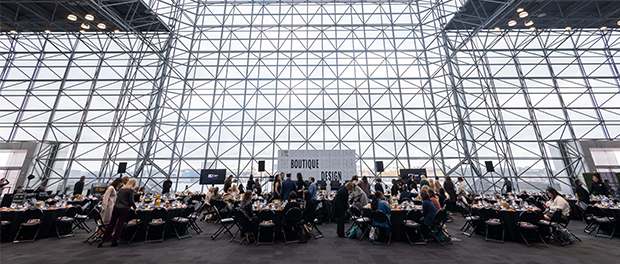
Boutique hotels continue to gain traction, appealing to travelers seeking unique experiences. Personalized service, distinctive design, and local immersion are increasingly important in attracting guests. This trend also aligns with the rise of platforms like Airbnb, which provide alternative lodging options. For a comprehensive look at the boutique hotel trend, refer to this article from the Financial Times.
Challenges on the Horizon
Despite the positive trends, several challenges loom as we approach 2026.
1. Labor Shortages
Labor shortages are a significant impediment for the hotel industry, exacerbated by Brexit and the aftermath of the pandemic. Many establishments are struggling to find skilled labor, leading to service disruptions. This trend necessitates a rethink of recruitment strategies, employee retention, and training programs. The Institute of Hospitality has published valuable insights on addressing labor shortages.
2. Rising Operational Costs
Inflation and supply chain disruptions are driving up operational costs, affecting profit margins for hotels. In addition, energy prices have surged, increasing overhead expenses. Stakeholders will need to adopt innovative cost management strategies to remain competitive.
3. Regulatory Changes
As the hospitality industry recovers, regulatory changes related to health and safety remain a priority. Adhering to evolving regulations can be challenging, necessitating resources for compliance. Keeping abreast of regulatory developments is crucial for hotel operators.
Opportunities for Growth
The UK hotel market holds several promising opportunities as we gear up for 2026.
1. Investment in Infrastructure
The UK government has committed to significant investments in infrastructure, which could facilitate growth in the hotel sector. Initiatives aimed at improving transport links, such as HS2 and local rail improvements, can enhance accessibility to key destinations.
2. Experience-Driven Offerings
Hotels that integrate experience-driven offerings—ranging from culinary adventures to cultural excursions—stand to attract more guests. For example, partnerships with local businesses can create unique packages that enhance the guest experience.
3. Health and Wellness Trends
As travelers prioritize health and well-being, hotels offering wellness amenities are becoming more appealing. Gym facilities, wellness programs, and healthy dining options are gaining importance. The Global Wellness Institute provides insights into the growing health tourism sector.
Case Studies: Successful Hotel Strategies
Examining case studies from successful hotels can provide actionable insights.
Hilton Hotels
Hilton has committed to reducing its carbon footprint and has been proactive in implementing sustainable practices across its properties. Through innovative initiatives, such as the “Travel with Purpose” program, Hilton aims to create a sense of community and sustainability.
Accor’s All-Inclusive Strategy
Accor has embraced an all-inclusive approach, focusing on enhancing guest experiences through greater personalization and local partnerships. By leveraging technology, they drive customer engagement and loyalty.
Preparing for 2026: Strategic Recommendations
As we navigate the evolving landscape of the hotel market, key strategic recommendations emerge:
1. Adaptability
Hotels must remain adaptable in adjusting to changing consumer preferences and economic challenges. Learning from recent disruptions, flexibility in operations and offerings will be crucial for success.
2. Embrace Technology
Investing in the latest technology will enhance operational efficiency and improve the guest experience. From CRM systems to advanced booking software, leveraging technology can provide competitive advantages.
3. Focus on Branding
With increasing competition, developing a strong brand identity is essential. Hotels must communicate their unique value propositions and engage guests through storytelling and effective marketing strategies.
4. Build Sustainable Practices
Sustainability should be a core component of the hotel strategy. As more consumers prioritize eco-friendly choices, aligning operations with sustainable practices can enhance brand loyalty and attract discerning travelers.
Conclusion
As we gear up for 2026, the UK hotel market presents a blend of challenges and opportunities. Stakeholders, including investors, operators, and policymakers, must remain vigilant in understanding the evolving landscape, adapting strategies accordingly. By embracing technology, sustainability, and experience-driven offerings, the industry can forge a path towards a resilient and prosperous future.
To gain a deeper understanding of these trends, refer to additional resources:
- STR: U.K. Hotel Occupancy Trends
- UK Hospitality Association: Industry Insights
- McKinsey Research on Consumer Behavior
- The Sustainable Hospitality Alliance
- Institute of Hospitality: Labor Market Research
With a proactive mindset and strategic foresight, the UK hotel market can navigate the complexities of the coming years and emerge stronger than ever.