





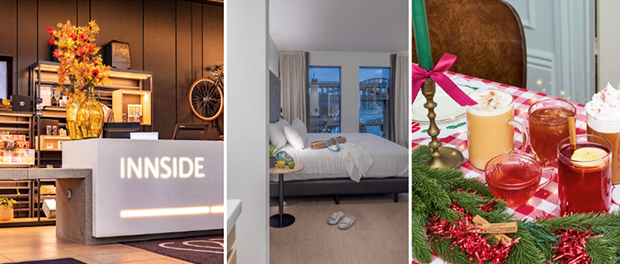








Blueprint for Success: 2026 in the Context of the Evolving UK Hotel Landscape
The UK hotel industry is witnessing a significant transformation driven by technological innovations, evolving consumer preferences, and external economic factors. As we look ahead to 2026, it’s essential to understand the key trends shaping this landscape and how hotels can develop a robust blueprint for success in a competitive market. This article delves into these trends, presenting a strategic framework that stakeholders can adopt for sustainable growth.
The Current State of the UK Hotel Industry
As of 2023, the UK hotel sector has been on a recovery trajectory following the COVID-19 pandemic. According to data from Statista, the revenue in the UK hotel market is expected to reach approximately £20 billion by 2025, with a compound annual growth rate (CAGR) of around 3%. This recovery has been bolstered by a resurgence in domestic travel, the return of international tourists, and the ongoing emphasis on unique and experiential stays.
However, this growth comes with its challenges. Rising operational costs, labor shortages, and increased competition from alternative accommodations, such as Airbnb, necessitate that hotels innovate continually to meet changing consumer needs and expectations.
Trends Shaping the Future of the Hotel Industry
1. Technology Integration
The integration of technology in hotel operations is no longer optional; it’s essential for survival. Guests now expect seamless experiences from booking to check-out. Technologies like Artificial Intelligence (AI), Internet of Things (IoT), and contactless services are increasingly being adopted.
AI-Powered Personalization
AI enables hotels to offer personalized experiences by analyzing data on customer preferences. Platforms like Revinate provide hotels with valuable insights to enhance guest satisfaction.
Contactless Solutions
The adoption of contactless check-in and smart room technologies can enhance guest convenience and safety. Solutions from companies like Checkmate allow for easy check-in, reducing wait times and improving the overall guest experience.
2. Sustainability and Eco-Friendly Practices
With growing environmental consciousness among consumers, hotels must adopt sustainable practices to attract eco-aware travelers. Research indicates that approximately 74% of travelers are willing to pay more for eco-friendly accommodations (Booking.com).
Sustainable Design and Operations
Hotels can invest in energy-efficient systems, reduce water consumption, and utilize biodegradable materials. Initiatives such as Green Key certification can enhance a hotel’s profile among environmentally conscious travelers.
3. Emphasis on Experience Over Accommodation
Today’s travelers prioritize experiences over mere accommodation. Hotels are shifting from traditional lodging to experiential offerings. This concept is echoed in initiatives like Airbnb Experiences, where guests can enjoy local activities curated by hosts.
Partnerships with Local Businesses
Collaborating with local artisans, chefs, and tour guides can create unique packages that draw in visitors. For instance, hotels can host cooking classes or arranged city tours that showcase local culture, enriching the guest experience.
4. The Rise of Remote Work and "Workcations"
The pandemic has popularized remote work, creating new opportunities for hotels. The rise of the "workcation" trend allows people to combine work with leisure, providing hotels with an additional revenue stream.
Designed Workspaces
Hotels can adapt their setups to include dedicated workspaces and amenities catering to remote workers, such as reliable Wi-Fi and business centers. They can also offer flexible packages that allow guests to extend their stays.
5. Focus on Health and Wellness
The pandemic has heightened awareness of health and wellbeing. Hotels are increasingly investing in wellness-centric amenities to cater to this demand.
Wellness Programs
Incorporating wellness programs, such as yoga classes, healthy meal options, and spa treatments, can enhance the attractiveness of hotel offerings. Programs from Wellness Within Your Walls provide insights into creating healthy environments.
6. Hyperlocal Marketing Strategies
In the age of digital marketing, hyperlocal strategies can significantly influence a hotel’s success. Utilizing local SEO practices and geo-targeting can attract nearby customers looking for staycations or weekend getaways.
Localized Promotions
Additionally, hotels can leverage social media to promote local events and attractions, crafting packages that appeal to various customer segments, such as families or solo travelers.
A Strategic Blueprint for Success by 2026
To successfully navigate the evolving landscape of the UK hotel industry, hotel managers and owners need to adopt a multifaceted approach. Below is a recommended blueprint for achieving success by 2026.
A. Embrace Technological Advancements
- Invest in Training: Ensure staff are trained in new technologies, enhancing operational efficiency.
- Utilize Data Analytics: Leverage platforms like Revinate to harness customer data for personalized marketing and service delivery.
B. Prioritize Sustainability
- Implement Green Practices: Adopt environmentally friendly practices and aim for certifications like Green Key.
- Sustainable Sourcing: Work with local vendors to source organic and sustainable goods for restaurants and amenities.
C. Foster Unique Experiences
- Design Unique Packages: Collaborate with local businesses to create distinctive offerings that enhance guest experiences.
- Leverage Social Media: Use platforms like Instagram to showcase unique experiences and events happening at your hotel.
D. Tap into the Workcation Market
- Create Dedicated Workspaces: Design rooms or areas with office amenities catering to remote workers.
- Flexible Booking Options: Offer packages that appeal to guests seeking both work and leisure.
E. Invest in Health and Wellness
- Wellness Programs: Introduce programs that encourage physical and mental wellness.
- Healthy Menu Options: Adapt food and beverage offerings to include healthier options.
F. Use Hyperlocal Marketing Techniques
- Optimize for Local SEO: Ensure your online presence is visible to local consumers using search engine optimization tailored to your area.
- Promote Local Events: Engage your social media audience with information about local attractions and happenings.
Conclusion
As we anticipate the landscape of the UK hotel industry in 2026, businesses must remain agile and responsive to evolving consumer trends and market conditions. By embracing technology, sustainability, and a focus on unique experiences, hotels can not only survive but thrive in the competitive landscape ahead.
References
- Statista – Hotel Industry in the United Kingdom
- Revinate
- Booking.com Sustainability
- Airbnb Experiences
- Wellness Within Your Walls
- Green Key Global
This strategic outline provides a comprehensive view of the potential advancements and necessary strategies the UK hotel industry can adopt to prepare for a successful 2026. The synthesis of technological integration, sustainability, health awareness, and unique offerings will not only align with consumer expectations but also foster long-term loyalty and satisfaction. By implementing these changes now, hotels can set themselves up for a thriving future in an ever-evolving landscape.