














Expectations for 2026: Understanding the Structural Dynamics of the UK Hotel Market
As we look ahead to 2026, the landscape of the UK hotel market is expected to undergo significant transformations driven by various factors. From shifting consumer preferences to the impacts of economic fluctuations, technological advancements, and sustainability considerations, the hotel industry is on the brink of pivotal changes. This article will explore the current state, anticipated trends, and the structural dynamics that will shape the UK hotel market over the next few years.
Current State of the UK Hotel Market
The UK hotel market has historically been a critical component of the national economy, contributing billions to GDP and providing millions of jobs. According to industry reports, the hotel sector was valued at approximately £21 billion in 2020 and was projected for recovery as pandemic restrictions eased. The recovery trajectory has been largely influenced by domestic tourism, international travel resumption, and changing consumer behaviors.
Recovery from the COVID-19 Pandemic
The COVID-19 pandemic dealt a severe blow to the hotel industry, with many establishments forced to close or operate at reduced capacity. However, as travel restrictions lifted, there has been a resurgence in both leisure and business travel. By 2026, it is expected that the UK hotel market will have rebounded significantly, driven by several factors:
- Vaccination Rollout: The successful rollout of vaccines has reinforced consumer confidence in travel and hospitality, resulting in increased bookings.
- Hybrid Work Culture: The rise of remote and hybrid work has expanded the potential for leisure travel, as employees can extend work trips into personal vacations.
Shift in Consumer Preferences
The consumer behavior landscape has evolved dramatically post-pandemic. Trends such as "workcations" and a growing preference for unique experiences over traditional offerings are changing the dynamics of hotel accommodations. Gen Z and Millennials, who prioritize experiences over material possessions, are now key market segments, prompting many hotels to adapt their offerings.
- Experience Over Amenities: Today’s travelers value unique experiences that immerse them in the local culture. This shift is leading hotels to develop partnerships with local businesses, diversify activities, and curate bespoke offerings.
Predictions for the UK Hotel Market in 2026
Economic Factors
Several economic factors will significantly influence the trajectory of the UK hotel market, including:
-
Inflation and Economic Recovery: The economic conditions of the UK and broader global economy will dictate the hotel sector’s viability. Inflation could impact consumer spending power, influencing travel budgets. Conversely, a robust economic recovery may lead to increased disposable income and travel spending.
- Exchange Rates: For an industry heavily reliant on international travelers, fluctuations in the pound’s value against other currencies will determine the appeal of the UK as a tourist destination. A weaker pound may draw more foreign tourists seeking value, while a stronger pound could deter them.
Technological Advancements
The integration of technology into the hotel experience is likely to become a defining feature of the market by 2026. Key innovations include:
-
Contactless Technology: The pandemic accelerated the adoption of contactless check-in, mobile room keys, and digital concierge services. Guests now prefer seamless, technology-driven experiences that enhance convenience and safety.
-
Artificial Intelligence and Personalization: Hotels may leverage AI to provide personalized services. Tailored recommendations based on guest preferences can enhance satisfaction and build loyalty.
- Sustainability through Tech: Technology can also facilitate sustainability efforts, such as energy-efficient practices, smart thermostats, and water-saving systems. Guests will increasingly seek accommodations that prioritize environmental responsibility.
Sustainability and Social Responsibility
The importance of sustainability has surged among consumers and businesses alike, with the hotel industry no exception. By 2026, sustainability will likely be a determining factor in a property’s appeal. Hotel operators will need to adopt practices that demonstrate social responsibility:
-
Net Zero Targets: The UK government aims for net-zero emissions by 2050, and the hospitality industry must align with these targets. Initiatives may include reducing waste, sourcing locally, and using renewable energy sources.
- Community Engagement: The industry’s shift toward responsible tourism will necessitate deeper engagement with local communities. Hotels will offer authentic experiences while ensuring that local culture and heritage are respected and preserved.
Changing Market Segmentation
As consumer preferences evolve, so too will the segmentation of the hotel market. Traditional classifications like luxury, mid-scale, and budget will expand to accommodate niche markets:
-
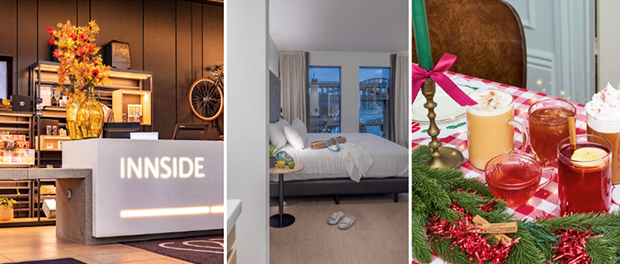
Boutique Hotels and Lifestyle Brands: These establishments will attract younger travelers looking for unique, Instagram-worthy experiences. Their emphasis on design and personalized service positions them well for growth.
-
Extended Stay Accommodations: With remote work becoming a more permanent fixture, the extended stay segment will experience substantial growth. Hotels that cater to longer durations with home-like amenities will fill this gap.
- Wellness and Retreats: As mental health and wellbeing gain priority, hotels offering wellness-focused services—like spas, yoga studios, and health-conscious dining—will attract a growing sector of health-conscious travelers.
Impact of Regulatory Changes
Regulatory changes at both local and national levels will shape the operational landscape of the UK hotel market. Key areas to monitor include:
-
Health and Safety Regulations: As the world navigates post-pandemic realities, health and safety will remain paramount. Hotels will need to comply with stringent hygiene and safety standards, impacting everything from staffing to operational procedures.
- Short-Term Rental Regulations: The rise of platforms like Airbnb has sparked debate over the regulation of short-term rentals. Striking a balance between hotels and alternative accommodations will shape market conditions and pricing strategies.
Conclusion
The UK hotel market in 2026 will be shaped by a complex interplay of economic factors, technological advancements, sustainability imperatives, and changing consumer preferences. With the rapid evolution of the market, hotel operators must remain agile, embracing innovation and fostering community ties.
Ultimately, the hotels that prioritize unique experiences, sustainable practices, and customer-centric innovations will thrive, while those that fail to adapt may struggle to survive in the competitive landscape. As we move toward 2026, the key takeaway is that understanding and responding to the structural dynamics of the UK hotel market will be essential for success in this ever-changing industry.